The good news? You don’t need a full renovation to make your home more energy-efficient. A mix of simple DIY projects and professional upgrades can go a long way toward improving your home’s insulation and reducing heat loss.
How Does Insulation Work
Every home constantly experiences heat transfer; warm air tries to move toward cooler areas. When your home lacks proper insulation or has gaps, cracks, and poorly sealed openings, heat escapes quickly. That forces your heating system to work harder, driving up your energy consumption and increasing your energy bills.Better insulation slows down heat transfer, keeps warm air inside during winter months, and helps your cooling system in the summer. With the right improvements, homeowners can enjoy steady indoor temperatures, less strain on their HVAC system, and long-term energy savings.

Pro-Level Upgrades (High Impact)
1) Improve Your Attic Insulation
Your attic is one of the biggest sources of heat loss in the home. If you’ve noticed uneven room temperatures, ice dams, or drafty upper floors, your attic insulation may be overdue for attention.Signs you may need an attic insulation upgrade include seeing joists above the insulation layer, noticing cold ceilings, or experiencing persistent drafts. Options for the attic include fiberglass batts, blown-in insulation, or spray foam insulation for a tighter seal and better coverage. Adding additional insulation here typically delivers the highest return on comfort and efficiency.
2) Air Seal Before Adding More Insulation
Insulation works best only when the home’s envelope is sealed. Air leaks allow cold air to sneak in and warm air to escape, even if you have a thick insulation layer.Common leak points include:
- Utility penetrations
- Chimney chases
- Windows and doors
- Rim joists and sill plates
- Gaps around attic hatches
3) Upgrade Wall Insulation
In an older home, exterior walls often have little to no insulation. This makes your home feel drafty and forces your furnace to work harder to maintain comfort.A wall insulation upgrade may include dense-pack cellulose, which fills cavities without major wall removal, or spray foam, which provides excellent thermal insulation and air sealing in one step. These improvements dramatically increase your home’s energy efficiency.
4) Seal and Insulate Your Crawl Space
Crawl spaces are notorious for pulling cold air into the home, which can lead to temperature imbalances and increased heating costs. To improve efficiency, it’s important to not only insulate the floor above the crawl space but also seal any gaps around joists, plumbing, and vents. Additionally, installing a vapor barrier on the ground and insulating the crawl space walls can further prevent moisture buildup and cold air infiltration.By properly sealing and insulating the entire crawl space, you help stabilize indoor temperatures. These improvements also contribute to better indoor air quality, especially in homes where moisture or musty odors have been an issue.
5) Seal and Insulate Your Ductwork
If your ducts run through unconditioned areas (attics, basements, crawl spaces), they may be leaking heated air before it ever reaches your living spaces.Professional duct sealing / insulating ductwork can improve airflow, reduce temperature fluctuations, and help your HVAC system perform more efficiently. This upgrade also supports healthier airflow and more even heating throughout the home.
DIY-Friendly Improvements (Quick + Affordable)
6) Install Thermal or Insulated Curtains
Thermal curtains add an extra layer of home insulation over drafty windows and reduce heat transfer. They’re an easy, stylish upgrade, especially helpful in bedrooms and living rooms where comfort matters most.7) Apply Weatherstripping to Doors and Windows
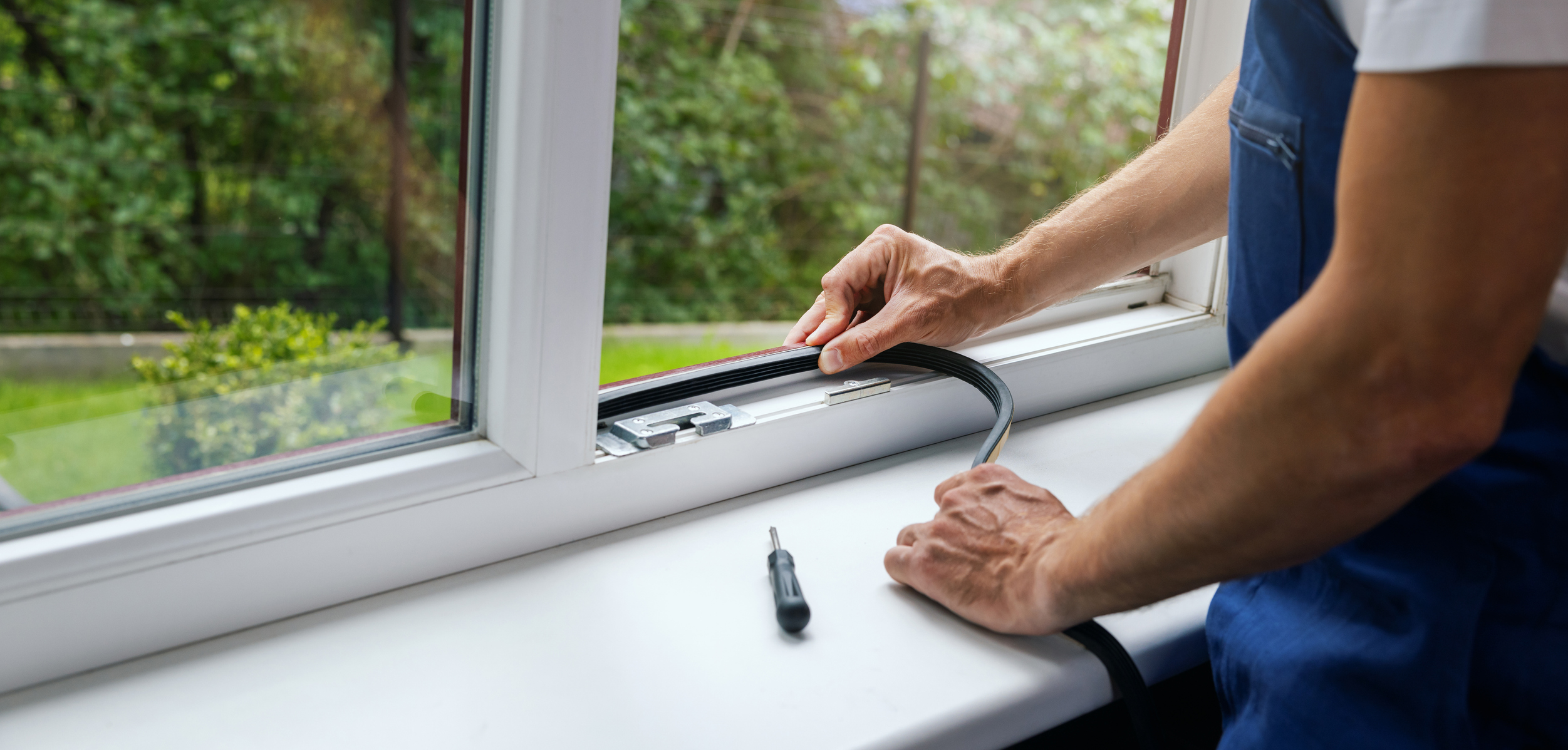
A simple weatherstripping kit can make a big impact. Adhesive-backed foam or double-sided tape weatherstripping seals gaps around window frames and door jambs, instantly reducing drafts and improving comfort.This fix is inexpensive, quick to install, and a great first step for homeowners looking to spend less and get results quickly.
8) Use Draft Stoppers at Door Bases
Draft stoppers block gaps at the bottom of doors, which is especially helpful in older homes where flooring is uneven or doors have settled over time. This quick solution helps keep warm air inside and improves comfort in key rooms.9) Add Window Film in the Winter Months
Window insulation film is a seasonal upgrade that creates a temporary barrier to reduce cold infiltration. Installed with a hair dryer, the film tightens across the window frame and helps maintain an energy-efficient home all winter long.10) Seal Small Gaps Around Electrical Wiring and Plumbing
Even tiny openings around electrical wiring, plumbing pipes, and vents can allow cold air to slip into your living space. A small bead of caulk or spray foam insulation can close these gaps and reduce air leaks in minutes.Schedule a Free Home Energy Assessment
A home energy audit or home energy assessment provides a detailed view of how your home uses and loses energy. Technicians evaluate insulation levels, air leaks, ductwork, and HVAC performance to identify the exact improvements that will make the biggest impact.If you’re in Central New York, Fred F. Collis & Sons can perform a full assessment and guide you through available rebates and incentives for key projects that can improve your home’s comfort and energy efficiency.
Improve Comfort Now and Save Long-Term
Improving insulation is one of the smartest home improvement steps you can take to increase comfort, reduce heating bills, and keep your home running efficiently year after year. Whether you choose DIY upgrades or need expert support, even small changes make a difference.If you live in Central New York, Fred F. Collis & Sons can evaluate your home’s insulation and recommend solutions based on your home’s needs. Our experienced team is here to help you enjoy a warmer, more efficient home, season after season.