Why Do Basements Feel Colder Than the Rest of the House?
Basements are naturally cooler than other parts of the home, and the reasons are fairly simple. Since the space is below grade, the surrounding earth acts like a heat sink, continuously pulling warmth away from the structure. Your concrete floor and basement walls absorb heat quickly and hold on to cold temperatures far longer than traditional above-ground rooms.Comfort also takes a hit because of the “stack effect.” As warm air rises through your home, it pulls cool air downward, straight into the basement. That means even if the upstairs feels cozy, the basement can still feel damp or drafty.
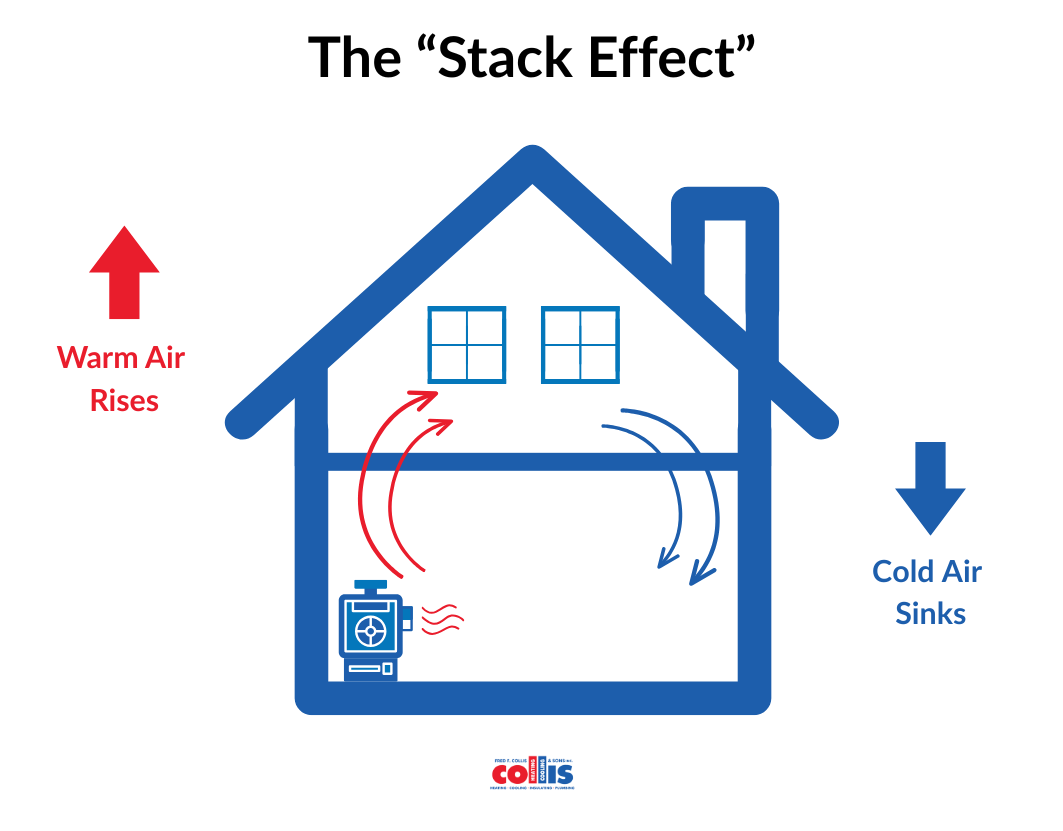
A lot of heat escapes through basement windows, gaps around framing, cracks in the foundation, and uninsulated areas like rim joists or unfinished ceilings. Homes in colder climates experience this even more during the winter months, when heat loss happens faster and cold surfaces radiate downward, making the whole area feel uncomfortable.
The key to fixing this is stopping the cold air from getting in and preventing heat from leaking out.
Start With Air Sealing to Stop Drafts and Cold Spots
Before adding insulation or thinking about new heating equipment, start with the simplest and most effective step: sealing air leaks. Even tiny gaps can create big temperature swings in the basement because cold air naturally settles there.Here are common areas to check:
- Rim joist: This is one of the biggest sources of basement air leakage. Inspect it for gaps and cracks, then seal with caulk or foam.
- Interior wall penetrations: Places where plumbing pipes, wires, and vents run through walls often have openings that let cold air travel freely. Seal these to reduce drafts.
- Sill plates and framing joints: Air can move between the top of the foundation and the wood framing.
- Basement windows: Old or poorly sealed windows allow significant heat loss. Adding weatherstripping, caulk, or window film helps block infiltration and keep temperatures stable.
Professional Tip from Fred F. Collis & Son’s
Some air sealing projects are easy DIY tasks, but others are best left to professionals. Over-sealing a home can lead to unintended issues like moisture buildup, pressure imbalances, or reduced fresh air circulation. Certified technicians use diagnostic tools such as blower door testing to identify exactly where air is escaping, how severe the leaks are, and which areas should be sealed for optimal performance.They can also recommend appropriate materials, including foam insulation, to safely seal the space without restricting your home’s ventilation needs.
If you’re unsure about tackling air sealing on your own, Fred F. Collis & Sons offers expert air sealing and insulation services across Central New York. Our team can make your basement more comfortable without compromising your home’s airflow or safety.
Improve Insulation for Long-Term Warmth
Once minor air leaks are under control, the next step is improving insulation. Insulation helps slow heat transfer, keeping cold surfaces from cooling down the room and preventing the warm air you’ve paid for from escaping.Insulating Basement Walls
Basement walls, especially cinder block or poured concrete, transfer cold very easily. Adding spray foam insulation creates a thermal barrier that dramatically reduces heat loss.If your basement has framed walls, insulation can be installed behind the studs. In some homes, a vapor barrier is also recommended to manage moisture and prevent mold growth.
Good basement insulation protects against cold transfer, reduces drafts, and helps the room feel warmer without needing to increase heating output.
Insulating Basement Ceilings
If you’re converting the basement into usable living space, insulating the basement ceiling can create separation between the basement and upper floors, reducing noise and helping maintain more stable temperatures throughout the home.Improving Basement Floors
Cold floors are one of the biggest comfort complaints. Consider:- Raised subfloor panels to create a buffer between your feet and the concrete
- Floating carpet tiles that add warmth without retaining moisture
- Or even something as simple as laying down a thick area rug
Improve Heat Distribution With System Adjustments
Sometimes the basement stays cold simply because warm air isn’t getting into the space efficiently. Before investing in new equipment, make sure your existing system is delivering heat properly.A few simple checks make a big difference:
- Check your HVAC system dampers: Dampers balance airflow in different parts of the home. Make sure the ones feeding the basement are open so conditioned air can reach the entire basement.
- Adjust heating registers: Redirect airflow where you need it most.
- Reverse your ceiling fan: Set it to spin clockwise on low speed so it pushes hot air down instead of pulling it up.
- Maintain your heating system: A well-maintained furnace or heating system runs more efficiently and distributes heat more evenly.
Smart Heating Options
If your basement still feels cool after sealing and insulating, supplemental heating may help, especially in rooms that are frequently used. However, not all heating methods are equally efficient or safe.Basement Heater or Baseboard Heater
These can provide steady warmth without overwhelming the home’s main system. An electric baseboard heater or baseboard heater in a finished room can work well, but placement and sizing matter.Portable Space Heaters
Safe when used correctly, portable space heaters or an electric space heater are best reserved for small areas or occasional use. They shouldn’t be your long-term basement heating source.Future Consideration: Basement Floor Heating
If you’re planning a remodel, basement floor heating, such as hydronic or electric radiant systems, can be added beneath the flooring. While it is a longer-term project, it offers exceptional comfort and efficient warmth.Whichever route you choose, remember that the right basement heating system depends on your layout, insulation, moisture levels, and how the space will be used.
Additional Low-Cost Comfort Hacks
 If you’re looking for quick improvements you can make today, try these:
 - Install door sweeps on basement stairwell doors
- Add thermal curtains to windows
- Rearrange furniture so vents aren’t blocked
- Use insulated flooring panels or foam mats
- Avoid shutting too many vents upstairs. That increases pressure in the ductwork, causing inefficient heating.
- Seal electrical outlets or switches that leak air
When It’s Time to Bring in a Professional
Some basement comfort problems require more than DIY fixes. You should reach out to a professional when:- Your cold basement stays chilly no matter what you try
- You notice moisture or mold forming
- You’re planning to convert the space into living space
- You suspect significant heat loss
- You want to upgrade insulation but aren’t sure where it’s most effective
- You’re unsure whether a heating option is safe or efficient
Local Help in Central New York
If you’re ready to make your basement more comfortable, Fred F. Collis & Sons is here to help. Our team specializes in warming both unfinished basements and fully finished basement spaces by sealing drafts, insulating rim joists, improving airflow, adjusting your HVAC system, and recommending efficient basement heating options specific to your home.With decades of experience serving Central New York homes, we understand the challenges local homeowners face, especially in older homes and colder regions.
Upgrade Home Comfort With New York State Incentives & Rebates
One of the most effective ways to warm a basement without raising your utility costs is by improving your home’s energy performance. Fortunately, New York State makes this more affordable through generous rebate and incentive programs. Eligible upgrades may include:- Air sealing and insulation projects
- High-efficiency heat pump installations
- Comprehensive home energy assessments that pinpoint exactly where warmth is being lost
Make Your Basement Comfortable, Without Paying More to Heat It
If you’re in Central New York and want a warmer basement without raising your energy bills, Count on Collis. Our expert energy advisors can evaluate your home, recommend the best solutions, and help you reduce energy waste while keeping your basement comfortable.Schedule a free assessment today.