Are your summer energy bills climbing higher each month? Your cooling system choice plays a bigger role than you might think. Many homeowners face the same tough decision: should you repair your existing air conditioner, upgrade to new central air conditioning, or consider a ductless mini-split system instead? This choice affects more than just your monthly utility bills. The right cooling system keeps your family comfortable during scorching summer days, runs efficiently for years to come, and fits your home’s unique layout and needs. At Fred F. Collis & Sons, we help local homeowners navigate this decision every day. We install both mini-split and central air systems, so our recommendations are based on what works best for your specific situation. By the end of this guide, you’ll understand how both systems work, when each one makes sense, and have the knowledge you need to make the best choice for your home and family.What Are Mini-Split Systems?
A ductless mini-split system cools your home without using ductwork. The system includes an indoor unit mounted on walls or ceilings, an outdoor compressor unit, and refrigerant lines that connect them. Instead of pushing cool air through ducts like traditional systems, each indoor unit delivers efficient cooling directly to the space around it. Each indoor unit works independently with its own remote control, which means you can set different temperatures for different rooms. Want the living room at 72 degrees while keeping the bedroom at 68? This zone control capability is one of the biggest advantages mini-split systems offer. You can choose from several types of ductless systems:- Single-zone systems cool one room or area with one indoor/outdoor unit
- Multi-zone systems connect multiple indoor units to one outdoor unit
- Wall-mounted units work well in most rooms
- Ceiling cassette units are a good option when wall space is limited
Mini-split air conditioners work particularly well in room additions where extending ductwork would be difficult. They’re also popular in an
older home that doesn’t have existing ductwork, or when you want to add efficient cooling to specific rooms like a home office, garage workshop, or an addition.
The technology has improved significantly over the past decade. Today’s ductless mini-split systems are quieter, more energy efficient, and offer better performance than older models. Many mini-split units also provide heating, making them versatile mini-split heat pumps that work year-round. 
What Is Central Air Conditioning?
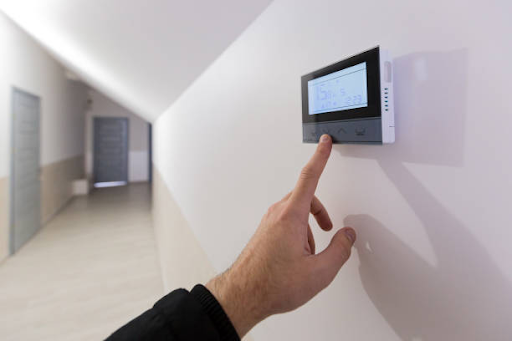
Central air conditioning uses an outdoor unit, an indoor air handler with an evaporator coil, and a network of ducts to cool your entire home from one central system. The outdoor unit removes heat from refrigerant, while the indoor air handler cools air that gets distributed through ductwork to every room. A central thermostat controls the system, turning it on and off to maintain your set temperature throughout the house. The central air system works with your existing HVAC system infrastructure, often sharing ductwork with your heating system for year-round comfort. Central AC offers several key benefits:- Consistent temperatures throughout your entire home
- Hidden components that don’t affect interior design
- Simple operation with one thermostat
- Integration with existing HVAC infrastructure
Central air is the most common residential cooling solution because it provides consistent temperatures without visible units in every room. When you set the thermostat to 74 degrees, the central air conditioner works to keep your whole home at that temperature. This system makes the most sense in homes with existing ductwork, open floor plans, and when you want simple, whole-home temperature control. Head-to-Head Comparison
Installation Requirements
Ductless systems have a clear advantage when it comes to easy installation complexity since they don’t require ductwork. The HVAC contractor mounts the indoor units, connects refrigerant lines to the outdoor unit, and tests the system. Right now, there are significant rebate and incentive programs available for ductless mini-split installations that can save you thousands. There has never been a better time financially to make this switch if it’s the right solution for your home. Installation considerations for each system:- Mini-splits: No ductwork modifications needed
- Central AC: May require new or updated ductwork
- Timeline varies based on system complexity
- Professional installation ensures optimal performance
Central air installation can be more involved, particularly if your home doesn’t have existing ductwork. Installing new ductwork means opening walls and ceilings, which adds time and complexity to the project. If you already have ductwork in good condition, central air conditioning installation is more straightforward.Energy Efficiency & Operating Costs
Both systems can deliver excellent energy efficiency when you choose the right models. We install high SEER (Seasonal Energy Efficiency Ratio) rated models for both ductless mini-splits and central AC systems, so you’ll get great efficiency either way. Modern systems focus on energy savings through improved technology and smart controls. Mini-split air conditioners have an edge in homes where you don’t need to cool every room all the time. Since you can turn off units in unoccupied rooms, you avoid cooling spaces you’re not using. This zone control approach can lead to significant energy savings compared to cooling your entire home when you’re only using a few rooms. Energy efficiency factors to consider:- SEER ratings indicate system efficiency levels
- Zone control reduces energy consumption in unused areas
- Proper maintenance keeps both systems running efficiently
Central air systems excel in energy efficiency when you need to cool your whole home consistently. Modern central AC systems with proper ductwork can cool large spaces very effectively and efficiently.Comfort & Control
Mini-split systems give you precise control over each zone with individual remote controls. Every family member can set their preferred temperature in their own space. Parents who prefer cooler temperatures can keep the master bedroom comfortable while kids who run warmer can adjust their rooms accordingly. Central air provides consistent temperatures throughout your home, which works well for families who prefer the same temperature everywhere. You won’t deal with hot or cold spots. The system maintains steady indoor air quality and temperature control across your entire home. Comfort features comparison:- Mini-splits: Individual room temperature control
- Central air: Consistent whole-home temperatures
- Both systems operate quietly when properly installed
Both cooling systems operate quietly when properly installed and maintained. Modern ductless systems are much quieter than older models, and quality central air systems with well-designed ductwork operate with minimal noise.Aesthetics & Space Requirements
This is where personal preference plays a big role. Mini-split units are visible on your walls or ceilings, which some homeowners love and others prefer to avoid. The units have sleek, modern designs, but they are noticeable in your living spaces and affect furniture placement options. Central air conditioning systems keep cooling equipment out of sight. You’ll see return air vents and supply registers, but no units mounted on your walls. This gives you a cleaner look in your rooms and more flexibility with furniture placement and interior design choices. Visual impact considerations:- Mini-splits: Visible indoor units in each room
- Central AC: Discrete vents and registers only
- Both require similar outdoor unit space
Both systems require outdoor units, and the space requirements are similar. The outdoor units for both systems are designed to operate efficiently while taking up minimal yard space in your home’s exterior areas.Which System Is Right for Your Home?
Your home’s size, layout, and existing infrastructure play the biggest roles in this decision. Consider these factors when choosing:- Existing ductwork condition and accessibility
- How your family uses different rooms
- Individual vs. whole-home temperature preferences
- Home age and construction type
Consider your cooling needs and how your family uses your home. Do you spend most of your time in a few key rooms, or do you regularly use your entire home? Mini-splits excel when you can focus cooling on the spaces you actually occupy. Central air works better when you want consistent comfort throughout your home. Mini-split systems are often the best choice for room additions, converted garages, or an older home built before central air was common. They’re also great when you want to add cooling to specific rooms without affecting your existing HVAC system. The easy installation process makes them ideal for these applications.Professional Installation Matters
Proper sizing and installation make the difference between a system that works well for decades and one that constantly needs repairs. Both ductless mini-split systems and central air need to be sized correctly for your space and installed according to manufacturer specifications by a qualified HVAC contractor. DIY installation might seem tempting, but it usually leads to problems. Refrigerant handling requires special training and equipment, and improper installation voids most manufacturer warranties. Poor installation can also lead to higher energy consumption and shorter equipment life. Professional installation ensures:- Correct system sizing for your cooling needs
- Proper refrigerant handling and connections
- Warranty protection and coverage
- Optimal performance from day one
Professional installation ensures your cooling system operates at peak efficiency from day one and maintains that performance over time. It also protects your warranty coverage, which can save you significant money if repairs are needed down the road.Making the Right Choice for Your Home
The best cooling system for your home depends on your specific situation, not general rules or trends. Your home’s layout, existing infrastructure, family’s comfort preferences, and how you use your space all factor into this decision. An experienced HVAC contractor can help evaluate these factors during a home assessment. Both mini-split and central air systems can provide excellent comfort and energy efficiency when properly selected and installed. The key is matching the right system to your cooling needs rather than choosing based on what worked for your neighbor or what you read online. Key decision factors include:- Home size and layout requirements
- Existing ductwork condition
- Family temperature preferences
- Budget and installation timeline
- Long-term maintenance considerations
Expert HVAC Assessment Makes the Difference
At Fred F. Collis & Sons, we have extensive experience with both systems and can help you understand which option makes the most sense for your situation. We’re not pushing one system over another because different homes need different solutions. Proper maintenance and professional installation matter more than the specific type of system you choose. Ready to find your perfect cooling solution? Contact Fred F. Collis & Sons today for a free in-home consultation. Our highly trained HVAC experts will assess your home’s specific needs and provide honest recommendations that fit your comfort goals and budget. Call 315-790-6651 or contact us online to get started with your personalized cooling system estimate. 

 Visual impact considerations: