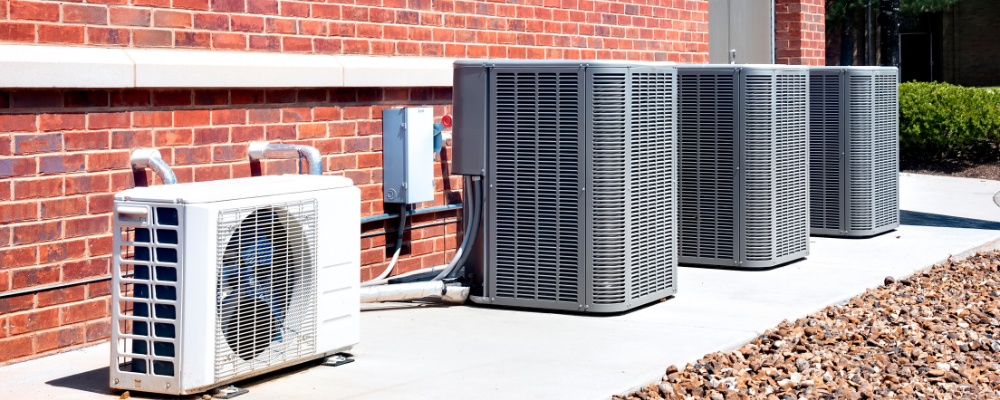
Furnaces
 Furnaces are one of the most popular heating systems, known for their ability to heat homes quickly and efficiently. They work by generating heat from a fuel source, which warms the air that is then circulated through your home using a system of traditional ducts. Furnaces are particularly effective in cold climates, where consistent and reliable heating is a must. Modern furnaces come in various models to fit different home sizes, energy needs, and budgets. Some also have features like programmable thermostats and variable-speed blowers, allowing for better temperature control and quieter operation.
 Furnace Fuel Types
Furnaces run on various fuel types, each suited to different needs. Natural gas is the most common fuel source for furnaces because it is affordable and widely available. Propane and Oil Furnaces are alternative options for areas without gas service. These provide strong heat but require on-site storage and regular fuel deliveries. Electric furnaces are also available and highly efficient systems. For a versatile option, dual-fuel systems combine an electric heat pump with a gas furnace, optimizing efficiency and cost.Boilers
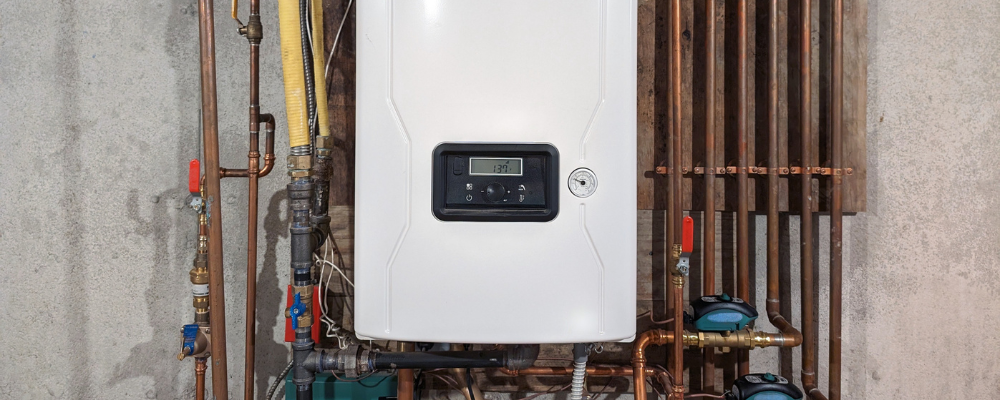 A boiler is a home heating system that provides warmth by heating water, which is then circulated through radiators, baseboards, or radiant floor systems to distribute heat throughout the house. Unlike a furnace that heats warm air, a boiler uses hot water or steam to keep your home cozy during the colder months. Boilers provide even heat less prone to drafts or temperature fluctuations compared to forced-air systems. Additionally, because boilers use water to transfer heat, they can help maintain indoor humidity levels, preventing the dryness often associated with other heating systems.
 Boiler Fuel Types
Most boilers use natural gas because it’s efficient and low-cost. Propane is another reliable option for homes without gas lines. Oil boilers, while less common today, are still a reliable choice in certain regions, particularly in older homes originally designed for oil heat.Heat Pumps
 Heat pumps are a versatile solution for year-round comfort, as they provide both heating and cooling. They work by transferring heat rather than generating it. In colder months, it extracts heat from the outside air or ground and brings it into your home, and during warmer months, it works in reverse, acting as an air conditioner by removing heat from your home. They are available in both ducted and ductless systems, making them suitable for homes of all sizes and layouts. Heat pumps eliminate the need for separate systems, simplifying home comfort management while offering significant energy savings.
Types of Heat Pumps:
- Air-Source Heat Pumps: These are the most common type, drawing heat from the outside and transferring it indoors during winter, or expelling it outside during summer. They are highly efficient and even now come in cold climate versions.
- Ductless Mini-Split Heat Pumps: Ideal for homes without ductwork, these systems provide both heating and cooling to individual rooms or zones. They offer personalized comfort, allowing you to set different temperatures in each space to suit your needs.
- Hybrid Heat Pumps (Combination Systems): These systems combine a heat pump with a traditional furnace or boiler. The heat pump provides heating and cooling during milder temperatures, while the furnace or boiler kicks in during extremely cold weather for added warmth.
- Dual-Fuel Heat Pumps: These systems pair a heat pump with a gas furnace to automatically switch between electricity and gas, depending on which is more efficient for the temperature conditions.
Radiant Heating
 Radiant heating systems provide warmth by heating floors, walls, or ceilings directly. This type of heating doesn’t use ducts, which improves indoor air quality by eliminating the dust and allergens that can circulate with ducted systems. Radiant heating provides consistent warmth without the hot and cold spots often found in forced-air systems.
 Radiant Heating Fuel Types
Radiant heating can use natural gas or propane, both of which are reliable. Electricity is also used, especially for smaller spaces like in-floor heating in bathrooms or kitchens.Central Air Conditioning
 Central air conditioner systems cool your entire home by distributing conditioned air through a system of ducts and vents. A centralized outdoor unit extracts heat from the air, and circulates cool air throughout the house. These cooling systems improve indoor air quality by filtering out dust, allergens, and pollutants, creating a healthier living environment. The central air systems we install are incredibly energy-efficient and feature programmable thermostats to reduce utility bills and optimize energy use.
Central Air Conditioning Fuel Types
Central air conditioning systems are most commonly powered by electricity, making them energy-efficient and easy to use. Advances in technology have allowed central air systems to operate with reduced electricity consumption, helping homeowners save on energy costs.Water Heaters
 Water heaters are a crucial part of home comfort, providing hot water for everyday activities like bathing, cleaning, and cooking. Beyond just heating water for household use, some water heaters can also heat your home by working in tandem with hydronic heating systems, such as radiant floor heating. Thanks to advancements in energy-efficient technology, modern water heaters offer a range of options to fit different household needs and budgets. Whether you prefer a traditional storage tank or an on-demand system, choosing the right water heater can improve both comfort and efficiency.
Types of Water Heaters:
- Domestic Water Tanks: These are the most common type of water heater, storing anywhere between 30 and 80 gallons of hot water in an insulated tank to provide a steady supply when needed. They can run on electricity, natural gas, propane, or oil. While they take up more space and use more energy than other systems, their affordability makes them a practical choice for many households.
- Electric Water Heaters: Ideal for homes without access to natural gas or propane, electric water heaters use heating elements to warm the water. Some advanced models incorporate heat pump technology to reduce energy consumption and improve efficiency.
- Tankless Water Heater: Unlike traditional storage tanks, tankless water heaters heat water only when needed, eliminating standby energy loss and providing an endless hot water supply. Their compact design saves space, and they are more energy-efficient than conventional tanks.
Which HVAC System is Right for Your Home?
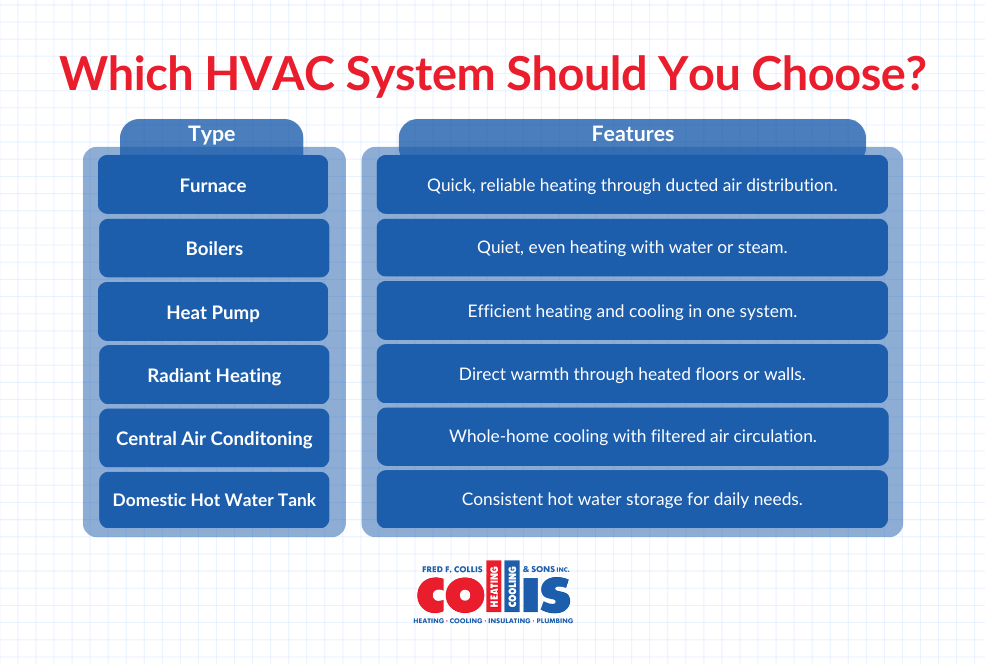 The best HVAC system for your home depends on the size of your home, the local climate, insulation quality, existing ductwork, and energy efficiency goals. Need help deciding? Reach out and we can recommend the perfect system for your home and budget.
Rebates and Incentives for Energy-Efficient HVAC Systems
Energy-efficient HVAC systems don’t just save energy—they save money, too. At Fred F. Collis & Sons, we help you take advantage of rebates and programs that make upgrades affordable. Programs like NYS Clean Heat, EmPower+, and National Grid/NYSEG rebates offer big savings on systems like heat pumps, boilers, furnaces, and water heaters.- EmPower+ Program: Offers funding for energy-efficient home upgrades, such as insulation, air sealing, and energy-efficient appliances, for eligible households.
- NYS Clean Heat Program: Provides incentives for installing energy-efficient heat pumps.
- Home Energy Assistance Program (HEAP): Assists with heating costs and provides energy efficiency services like heating equipment cleaning, minor repairs, and programmable thermostat installation.
- Heating Equipment Repair or Replacement Program (HERR): Helps eligible HEAP recipients repair or replace non-functioning heating systems.
- National Grid/NYSEG Rebates: Offers large rebates for upgrading to qualifying energy-efficient heating equipment like furnaces, boilers, and combination systems. The exact rebate amounts are always changing – call us for the most up-to-date information!
Hire a Professional For HVAC Installation
 Hiring an HVAC professional brings knowledge, proper tools, and safety expertise that untrained individuals cannot match. This expertise can save you time and money while avoiding potentially dangerous mistakes. At Fred F. Collis & Sons, our NATE certified technicians are ready to install the perfect system for your home. Reach out to Fred F. Collis & Sons for a free home energy assessment by visiting https://fredfcollis.com/contact-us/ or calling 315-939-1295.