How Gas and Electric Heating Systems Work
Understanding how each heating system operates can help you weigh the pros and cons for your situation.What Is Gas Heating?
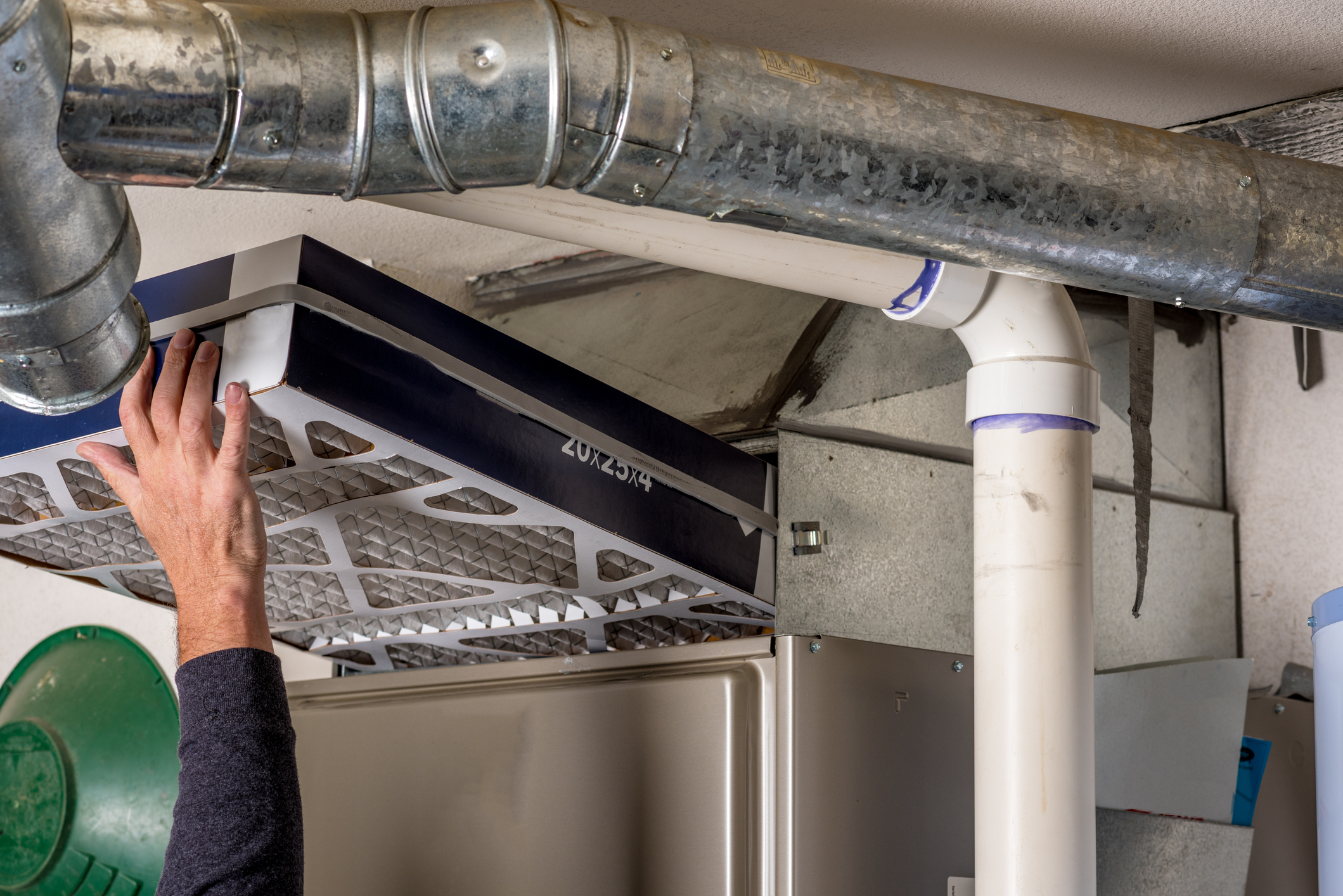
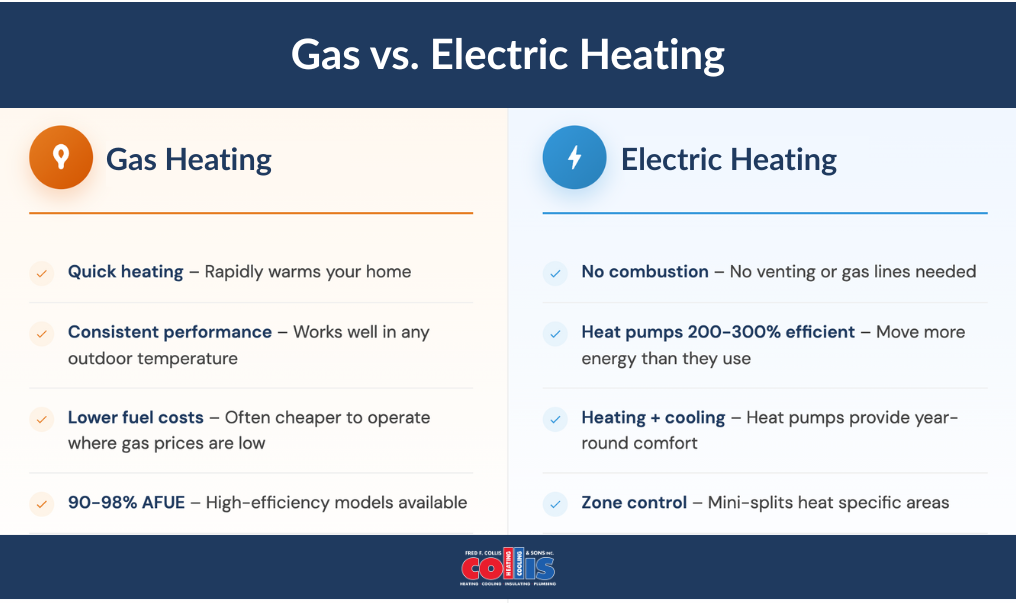
Gas heating uses natural gas or propane to create heat. A gas furnace or propane furnace burns fuel, and a heat exchanger warms the air. Then, a blower distributes that warm air through your ductwork. This type of heating system requires a gas line connection and proper ventilation. One of its biggest advantages is quick heating capability. Gas heat furnaces can raise your home’s temperature rapidly, even during the coldest winter months.What Is Electric Heating?
Electric heating converts electricity directly into heat. This can include electric furnaces, baseboard heaters, and electric heat pumps. Unlike gas systems, electric heating requires no combustion and no venting.Heat pumps work a bit differently than other electric heaters. Instead of generating heat, they move thermal energy from the outdoor air into your home. This makes them significantly more efficient than traditional electric baseboard heaters or furnaces.
Comparing Gas Heat vs. Electric Heat
When deciding between gas and electric heating, there are a few factors to consider.Upfront Installation Considerations
Installation depends less on price and more on how your home is set up. If you already have ductwork, a gas furnace, electric furnace, or ducted heat pump can often tie into what’s there. If you don’t have ducts, ductless mini-splits can heat specific rooms without adding ductwork.Also think about comfort control. If you want zoned heating, mini-splits make that easier. Finally, your current system matters. Replacing is usually simpler, while switching types may require changes to equipment, controls, or distribution.
Heating Costs and Energy Bills
Your annual heating costs depend largely on local energy prices. In some regions, natural gas is cheaper than electricity, making a gas furnace more affordable to run. In other areas, electricity rates are competitive, and high-efficiency electric options like heat pumps can offer lower operating costs over time.Efficiency and Performance
Efficiency ratings help you understand how much of your fuel or electricity actually becomes usable heat.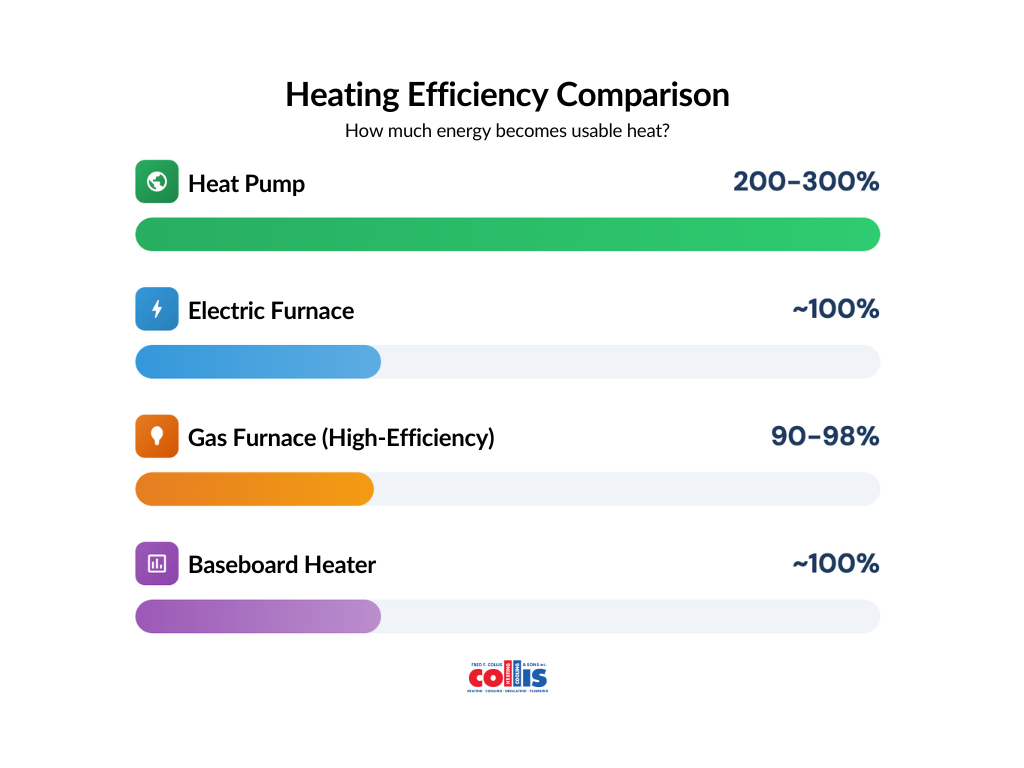
Gas Heating Efficiency
Modern high-efficiency gas furnaces are rated between 90-98% AFUE (Annual Fuel Utilization Efficiency). This means up to 98% of the fuel becomes heat for your home. Gas furnaces heat quickly and perform consistently regardless of outdoor temperature. This makes them a reliable choice for Central New York’s colder climate.Electric Heating Efficiency
Electric furnaces are nearly 100% efficient at converting electricity to heat. However, electric heat pumps take efficiency even further. Because they move heat rather than create it, they can achieve 200-300% efficiency, meaning they deliver two to three times more energy than they consume.Air-source heat pumps have traditionally worked best in milder climates, but modern cold-climate models now perform well even when outdoor temperatures drop below freezing. Ductless mini-split systems are a popular option because they offer zone-based control and high efficiency without requiring ductwork.
Our team at Fred F. Collis installs high-efficiency heat pumps and ductless mini-split systems, but we do not install electric furnaces. If you’re looking for an all-electric heating upgrade, we can help you choose and install the right heat pump setup for your home.
Safety and Environmental Considerations
Both gas and electric heating systems are safe when properly installed and maintained. However, there are some differences to keep in mind.Gas heaters produce combustion byproducts, including carbon dioxide and, if not properly vented, carbon monoxide. Homes with gas furnaces should have carbon monoxide detectors installed and tested regularly. Proper ventilation is a must.
Electric heating produces no combustion byproducts inside your home. The environmental impact of electric heat depends on how your electricity is generated. Heat pumps, in particular, have a lower environmental impact.
Both systems benefit from regular maintenance to operate safely and efficiently. Annual inspections help catch small issues before they become costly repairs.
Which Heating Option Is Best for Your Home?
There’s no right answer to this question. The right choice depends on your home’s setup, your budget, and your long-term goals. Gas heating may be better if:- You have existing natural gas infrastructure
- You live in an area with low natural gas prices
- Your home needs powerful heating during harsh winter months
- You value fast, noticeable heat (gas furnaces deliver hot air quickly, warming spaces more rapidly)
- You want no combustion concerns
- You’re looking for a system that provides both heating and air conditioning
- You want to take advantage of current Clean Heat rebates
- You prefer zone-based heating control
- You’re in need of a ductless option
Let Collis Help You Choose the Right Heating System
The best heating choice depends on your home’s needs, budget, and long-term goals. Fred F. Collis & Sons has served Central NY and the Mohawk Valley since 1936. Our comfort advisors will evaluate your home and recommend the best heating options, whether that’s a mini-split / heat pump, gas furnace, or other heating system.Ready to find the right fit for your home? Contact us for a free estimate.