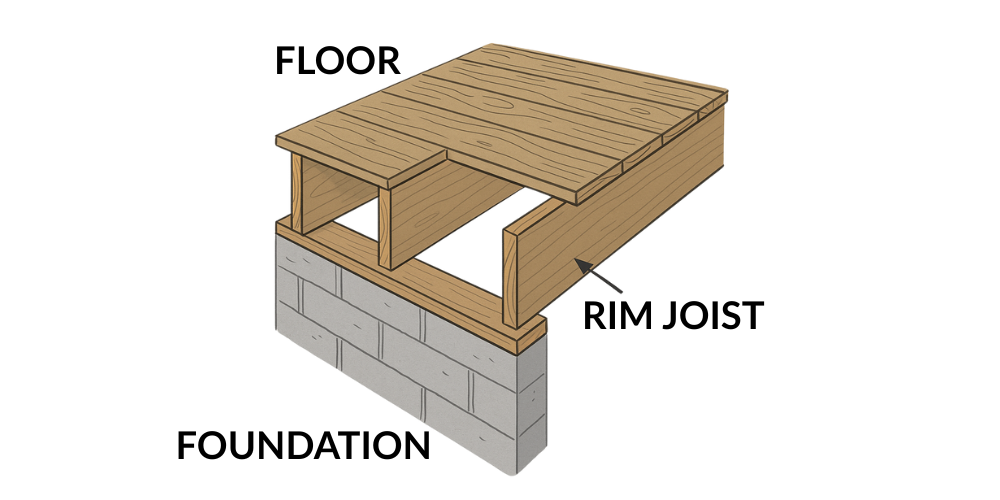
What is a Rim Joist?
The rim joist is the horizontal board that caps the ends of your home’s floor joists where the floor framing meets the foundation wall. You’ll typically find it in the basement or crawlspace, running along the perimeter just above the foundation. Since rim joists sit at the very edge of your home’s framing, they’re exposed to outdoor air and prone to leaks.These spaces often go uninsulated in many homes, leaving gaps where cold air can sneak in during winter or hot, humid air during summer. This not only affects comfort on the floors above but also increases the workload on your heating and cooling systems.
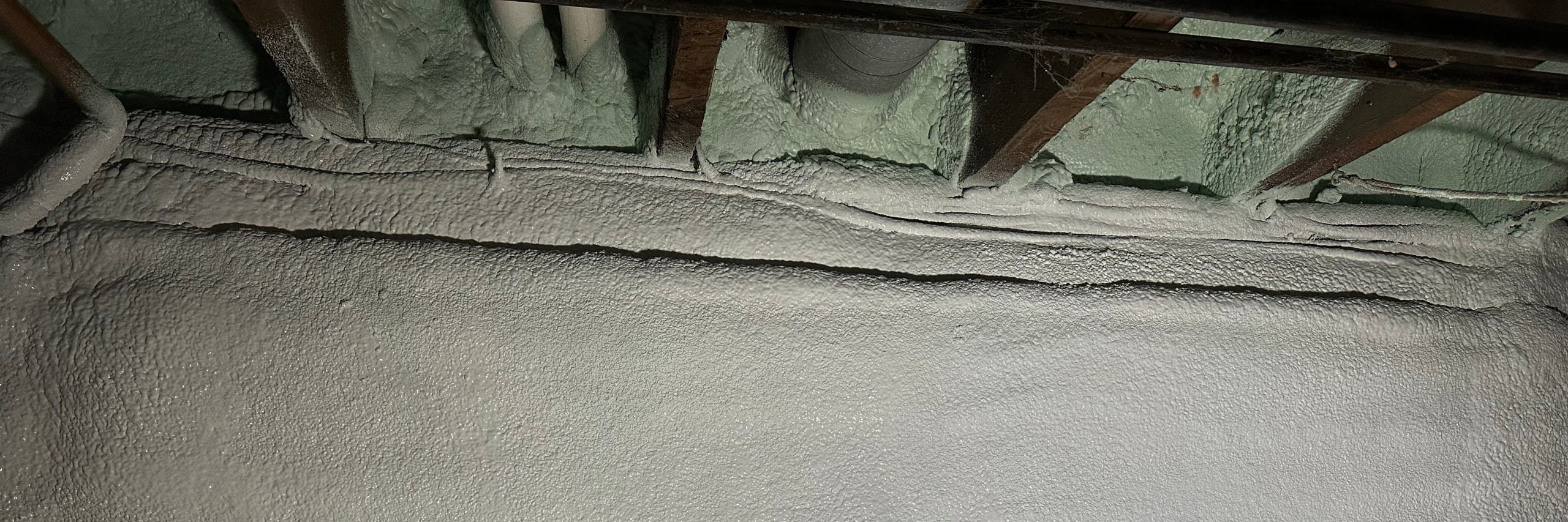
What is Rim Joist Insulation?
Rim joist insulation refers to the process of sealing and insulating the perimeter of your home where the floor framing meets the basement or crawlspace walls. It involves using spray foam insulating material to fill the gaps between the joists and the exterior wall, creating a tighter seal against outdoor air.Why Rim Joist Insulation Matters
Poor or missing insulation in this area can lead to a range of problems throughout the home. Here’s what can happen when rim joists are left uninsulated: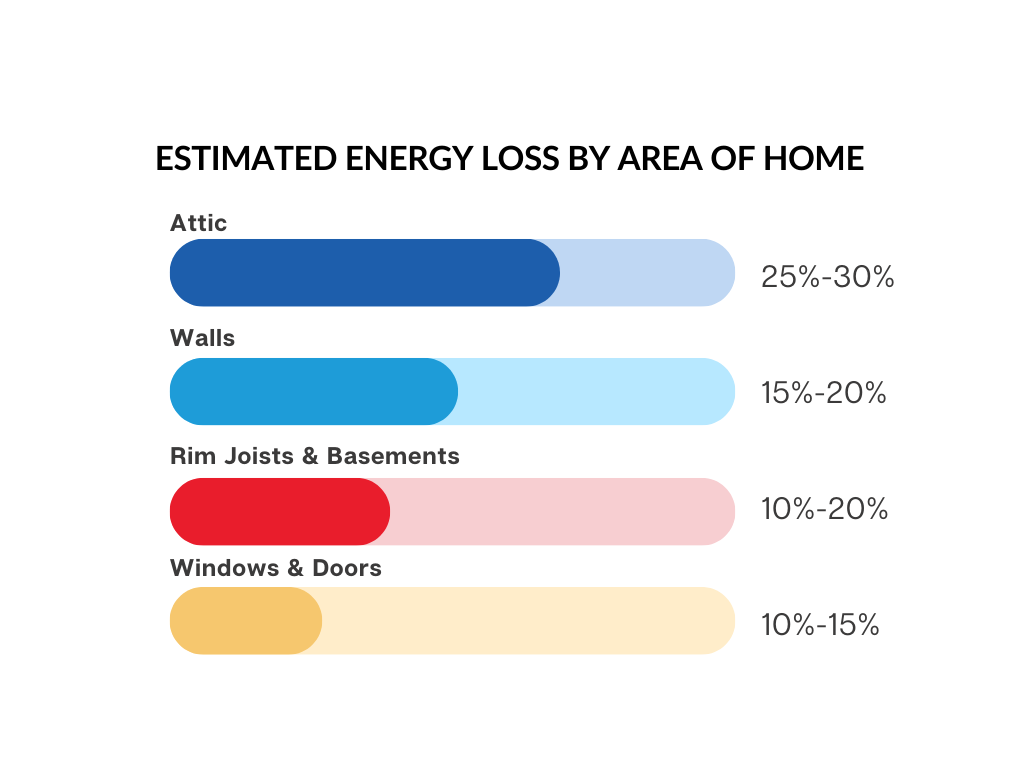
Common issues:
- Cold floors and drafts near the baseboards
- Temperature swings in rooms above
- High heating and cooling bills
- Dampness, condensation, or even mold growth in the basement
How Rim Joist Insulation Saves Money on Heating and Cooling
Air leaks and thermal loss through rim joists are more significant than many people realize. During a typical Central New York winter, even small gaps in this area can let in cold air that keeps your furnace running longer than necessary. The same happens in the summer with warm, humid air that strains your air conditioner. Here’s a quick look at how much energy loss comes from different areas of the home: Even though rim joists cover a smaller surface area than attics, their direct connection to the outdoors makes them a surprising source of energy waste. Sealing this area helps reduce the amount of air your HVAC system has to condition, which means shorter run times and lower monthly energy costs.Ideal Insulation Material for Rim Joists
At Fred F. Collis & Sons, we recommend closed-cell spray foam insulation for rim joists due to its superior sealing and moisture control properties.
Spray Foam Insulation
- Expands to fill every crack and gap
- Excellent air sealing and thermal resistance
- Adds moisture resistance and helps prevent mold
- Long-lasting and durable solution
How to Know if Your Home Needs Rim Joist Insulation
Here’s a simple checklist to help you figure out if your home could benefit from rim joist insulation:
- You feel cold drafts along the floors or baseboards
- Energy bills remain high despite other improvements
- Your basement or crawlspace feels cold or damp
- Your HVAC system runs more than expected
- You see daylight or gaps in the floor joist area from the basement
- There’s visible mold or signs of condensation
If any of these sound familiar, your rim joists may be part of the problem, and insulation may be the solution.
DIY vs. Professional Installation
It’s possible to insulate rim joists yourself, but there are several reasons to consider hiring a professional, especially if you want the job done right the first time.
Professionals like the team at Fred F. Collis & Sons use high-performance spray foam products and follow best practices for proper sealing and ventilation. We also assess the surrounding areas for signs of mold, rot, or structural concerns before applying new insulation.
Schedule a Free Energy Assessment with Fred F. Collis & Sons
At Fred F. Collis & Sons, we’ve been helping homeowners in Central New York improve their comfort and ensure their safety in the process since 1936. Our insulation team specializes in identifying hidden energy loss, including at the rim joists, and applying the right solution for your home.
We offer:
- Professional spray foam insulation
- Honest assessments and upfront pricing
- Personalized recommendations based on your home’s layout
- Local knowledge of Central NY’s weather and housing conditions
- Help navigating rebates from utility companies like National Grid and NYSEG, plus incentives through programs like NYSERDA EmPower+